
About Main Street Manners
Timeless Manners, Real-World Impact
Main Street Manners guides students to develop the communication skills, confidence, and self-awareness they need to thrive in school, in interviews, and in life. Our approach focuses on much needed soft skills which are the foundation for personal and professional success. As a recent Harper’s Magazine article highlights the soft skills including communication, self-awareness, and adaptability are increasingly recognized as essential in today’s schools and workplaces. Though an interactive and engaging programs, manners become relatable, as do the notions of self control, teamwork, empathy and flexibility.
The engaging presentation is modern, timely, memorable and practical. Manners aren’t old fashioned they are social intelligence.


My Story
My appreciation for manners began long before Main Street Manners was ever imagined. We hear a great deal about academic achievement, technical skills, and artificial intelligence. Yet many employers, educators, and parents are expressing concern about something far more fundamental: the ability to communicate, connect, and work effectively with others.
This is the story of how Main Street Manners began—and why its mission feels more relevant today than ever.
The Early Years
I spent my formative years in a small town outside London, attending a traditional British convent school. Upon entering school, each girl brought with her a complete set of engraved silverware. Every day at lunch we gathered at long tables set with proper place settings, cloth napkins, and a nun presiding at the head of the table. Meals were not simply about eating; they were lessons in respect, consideration, and self-discipline. We were expected to finish our meals while demonstrating our very best manners.
By the time I graduated from high school, I had moved six times. With each new school came the challenge of finding my place. Rather than rushing in, I learned to observe. I was drawn to the students who treated others kindly, respected the rules, and carried themselves with quiet confidence. No matter where I lived, I found myself gravitating toward the same group—the grounded ones, the considerate ones, the genuinely nice ones.
Looking back, I realize I was learning an important lesson: good manners are not about memorizing rules. They are outward expressions of character.
Finding My Purpose
After graduating with a communications degree and starting a family on Long Island's North Shore, I noticed a concerning trend as my children got older. Many young people were bright, talented, and accomplished, yet they struggled with some of the basic social skills that help build relationships, create opportunities, and leave positive impressions. In some cases, the adults around them were not setting much of an example either.
Recognizing a need, I earned my certification from the Emily Post Institute and began teaching manners and etiquette to children and young adults. Yet I quickly discovered that traditional lessons focused solely on forks, knives, and table settings were not enough to engage today's students. I wanted them to understand not just what to do, but why it mattered.
The Birth of Main Street Manners
That vision led to the creation of Main Street Manners—an interactive, discussion-based program designed to help young people discover the value of respect, communication, confidence, and consideration through real-life situations and guided conversation.
The response was immediate. Families embraced the program, and referrals quickly spread throughout the community.
Along the way, I began teaching manners and etiquette at a beloved local dancing school that has been a cornerstone of our community for generations. More recently, I assumed leadership of the program, modernizing its format while preserving its cherished traditions. Today, dozens of fifth and sixth-grade students and their families participate each year, learning not only social dance but also the communication skills, confidence, respect, and social awareness that are increasingly important in today's world.
An Evolving Mission
Over the years, my mission has evolved.
In April 2025, Harper's Magazine published a cover story by Lily Scherlis entitled The Social-Skills Crisis in the American Workplace. The article explored a growing concern: our increasing difficulty connecting, collaborating, and working effectively with one another. Its message resonated deeply with me because it articulated what I had been observing for years.
It also helped clarify the audience I am most passionate about serving—young adults on the cusp of adulthood who will become the leaders, colleagues, and citizens of tomorrow.
While manners remain the foundation of my work, Main Street Manners has become about something larger. It is about helping young people develop the confidence, communication skills, professionalism, and character that allow them to succeed in school, in interviews, in the workplace, and throughout their lives.
In a world increasingly shaped by technology, the greatest advantage will still belong to those who know how to connect, communicate, and care.
“Manners are a sensitive awareness of the feelings of others. If you have that awareness, you have good manners, no matter what fork you use.”
— Emily Post
What We Believe
Good manners aren’t about perfection. They’re about presence, self-respect, and how we treat others. At Main Street Manners, we believe:
Confidence grows through practice
Respect starts with awareness
Social intelligence is a skill, not a personality trait
Poise can be taught, not just inherited
Small interactions shape big opportunities
Who We Serve
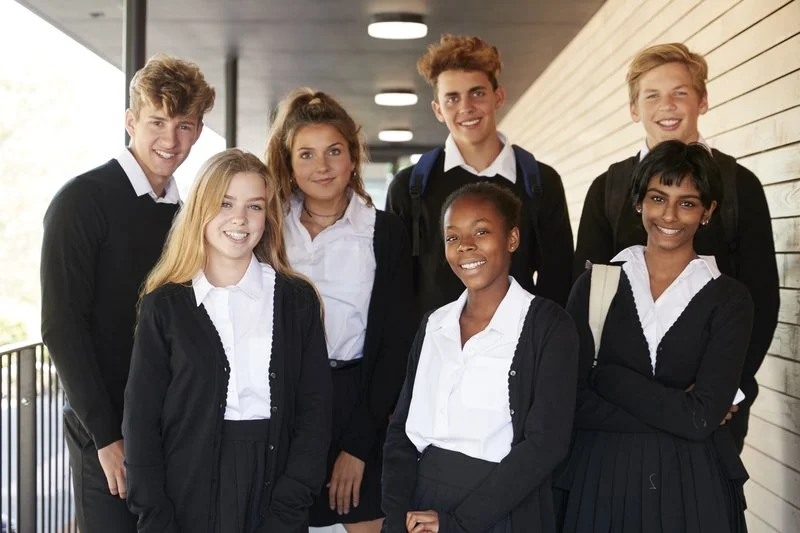
From classrooms to conference rooms Main Street Manners equips individuals with the interpersonal and communication skills essential for college interviews, leadership opportunities, and lifelong success.
In our busy world the greatest advantage will belong to those who know how to connect, communicate, and care.
What Participants Can Expect
Main Street Manners is not a traditional etiquette program. It is a dynamic, interactive experience that equips participants with the confidence, communication skills, and social awareness needed to succeed in school, the workplace, and everyday life.
Through engaging presentations, real-world examples, thoughtful discussion, and practical exercises, participants learn how to navigate social and professional situations with confidence and ease. They discover that manners are not about rigid rules—they are about understanding how our words, actions, and presence impact others.
Participants leave with practical tools they can use immediately to communicate more effectively, make positive first impressions, build stronger relationships, and present themselves at their very best.
Each program can be customized to meet the unique needs of schools, businesses, organizations, and community groups. Topics may include communication skills, professional presence, interview readiness, dining etiquette, digital etiquette, networking, workplace professionalism, and other essential life skills that contribute to personal and professional success.
Ready to Start?
“First we take a bite, then we close our mouth,
then we chew, then we swallow, then we talk”
- Margaret age 4